

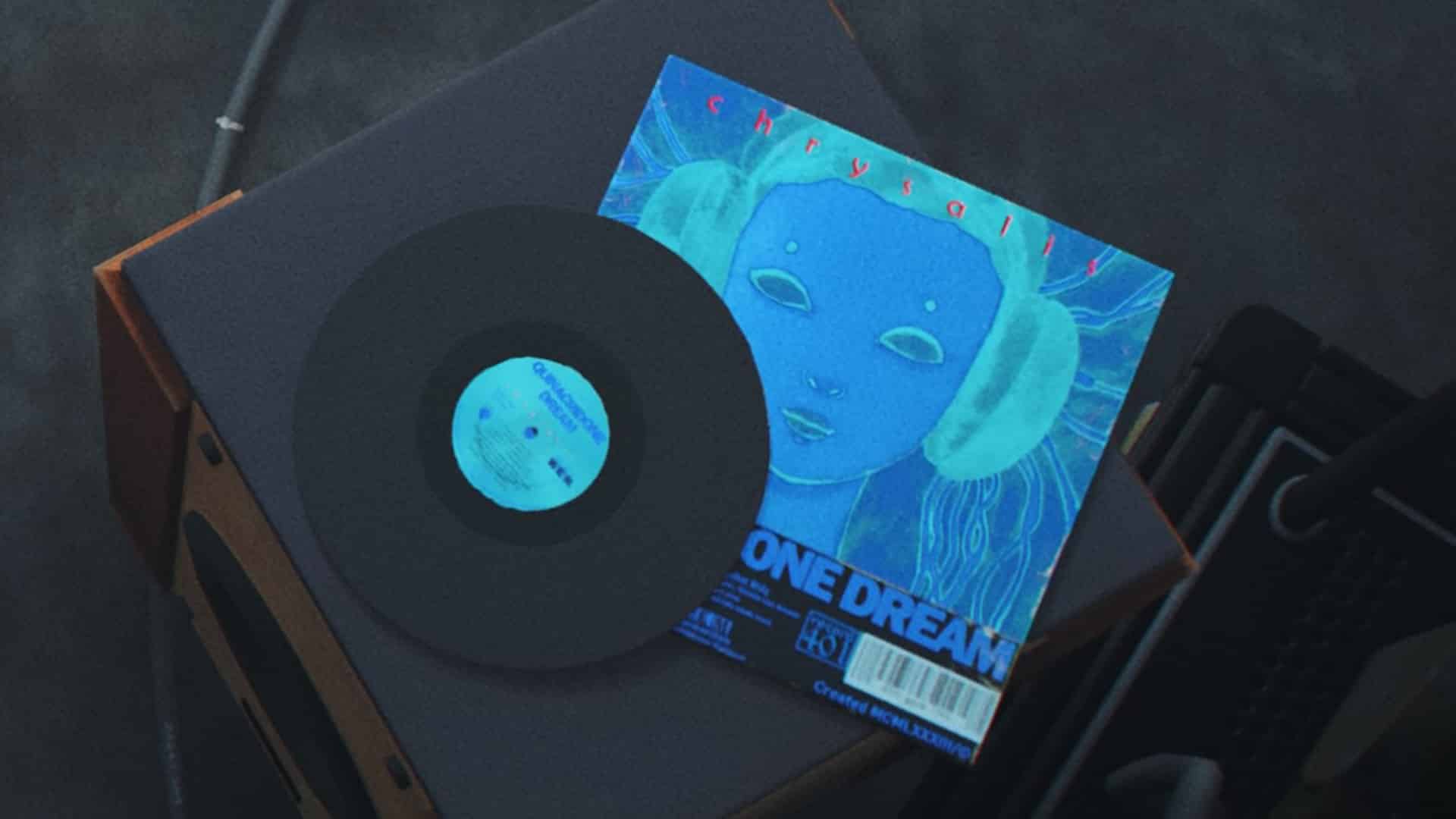
Do you remember this song?
One of the most memorable pieces of music in 007 First Light isn’t part of a cinematic set piece or dramatic action sequence.
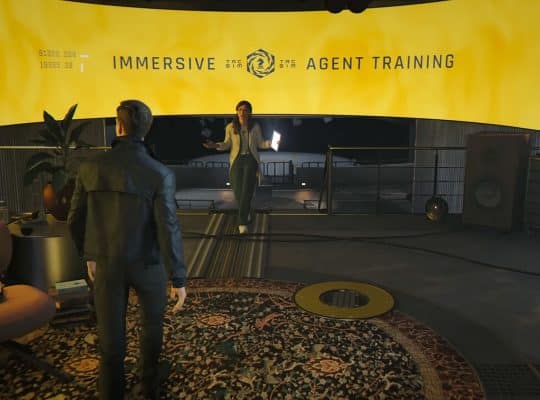
I first encountered it while visiting Dr Selina Tan’s Tactical Simulation department inside Q Lab. As the story progressed, I noticed the same piece quietly returning elsewhere in the laboratory, gradually becoming part of the musical identity of MI6’s research and development department.
The track immediately stood out – not because it demanded attention, but because of how naturally it belonged there.
It begins with remarkably little: a warm electric keyboard, a deep, rounded bassline and a handful of repeating notes. Additional keyboard textures gradually drift into the mix, crisp percussion begins to emerge and, eventually, a restrained drum groove introduces subtle hip-hop influences.
Yet the music rarely abandons its original motifs. Instead, those few notes keep returning, each repetition adding another small layer until something unexpectedly rich and immersive begins to take shape. In that sense, the track mirrors the work taking place around it: ideas in Q Lab are tested, refined and gradually improved, while the Tactical Simulations challenge Bond to learn through repetition. The music seems to evolve in much the same way.
For several days, I was convinced this had to be another of The Flight‘s clever musical ideas. Ahead of release, the composers had spoken about approaching Bond’s musical legacy with restraint and allowing its iconic themes to emerge gradually over the course of the game.
What if that recurring sequence of notes was actually a tiny fragment taken from an older Bond composition, then isolated and rearranged until its origin was almost unrecognisable? Each time it returned, I tried to match it to the James Bond Theme, On Her Majesty’s Secret Service or another familiar piece from more than sixty years of Bond music.
As it turned out, I had been searching in entirely the wrong place.
A record from Q’s collection
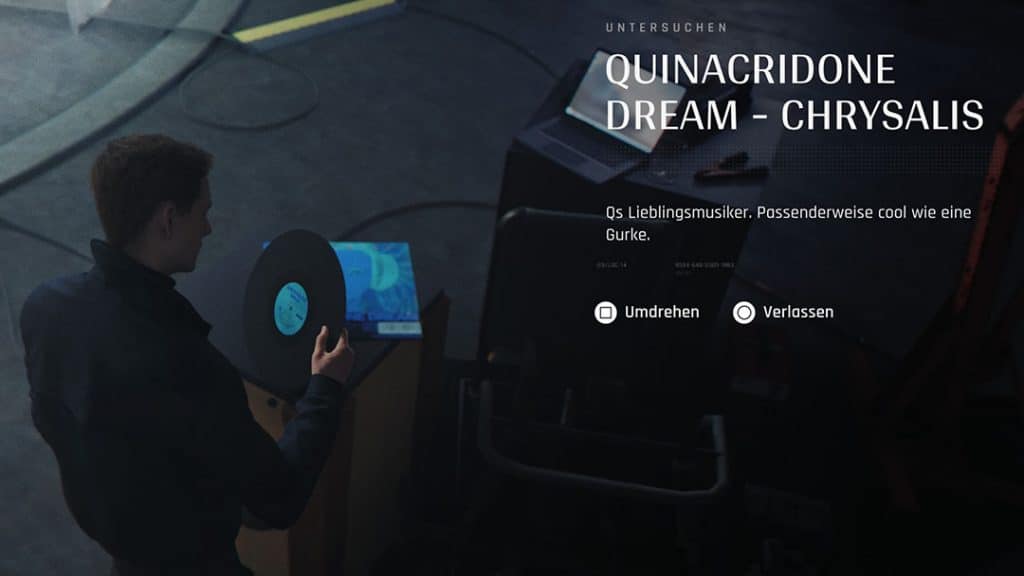
Later in the story, shortly before Bond pursues Webb on his own, a newly accessible part of Q Lab reveals the apparent source of the music: a record from Q’s collection by the fictional band Chrysalis, titled Quinacridone Dream.
Its stylised blue portrait, cyan tones and the inscription “Created MCMLXXXVIII” (1988) give the sleeve a convincing late-1980s aesthetic. The name Quinacridone Dream also fits its colourful identity: quinacridone is a family of vivid synthetic pigments first commercially introduced in 1958, just four years before Dr. No. That timing made me wonder whether quinacridone might even have been used in Maurice Binder’s classic Bond title sequences – perhaps for some of their swirling clouds of colour.
Chrysalis suggested a different possible meaning. A chrysalis is the pupal stage in which a caterpillar transforms into a butterfly, making the title a fitting potential allusion to Bond’s own transformation into the agent we know.
Whether either name carries such a deeper meaning is impossible to say. Neither Quinacridone Dream nor Chrysalisappeared to exist outside 007 First Light – but the music itself was very real.
The real song behind Quinacridone Dream
The answer ultimately had nothing to do with an older Bond score. Quinacridone Dream is actually Bad Shape by the London trio The Cromagnon Band, a track from their 2022 debut album Dismantle.
According to the group, former bassist Mike first encountered the word “Cromagnon” in an X-Men comic. They liked how it suggested something both prehistoric and progressive, adding “Band” to distinguish themselves from the experimental 1960s group Cromagnon and to emphasise their identity as a live ensemble.
That same tension between the old and the new also defines the way they create their music.
Reverse-engineered hip-hop
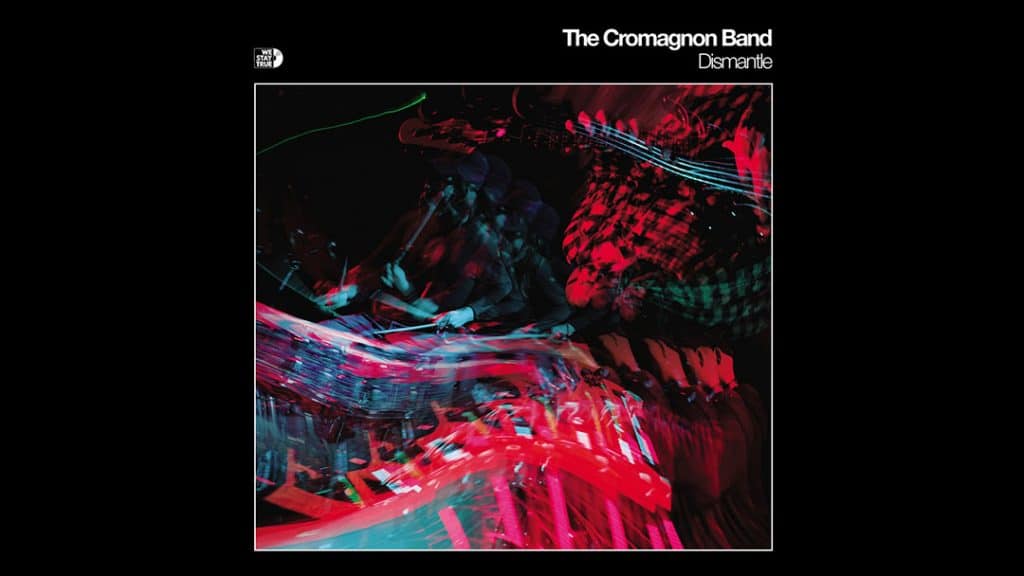
In an interview published by the website Mr Bongo, The Cromagnon Band described their musical approach as “reverse engineered hip hop.”
Rather than sampling old records, the musicians begin with grooves inspired by sample-based music and work backwards, imagining what the source of such a sample might have sounded like. They then create that missing piece themselves, performing it entirely live and without samples.
This approach explains the strangely familiar quality that first caught my attention. Bad Shape sounds like a recording from another era, even though it was released in 2022.
That also makes its use in 007 First Light particularly fitting. Both the game and the music draw on familiar influences without simply reproducing them, reshaping elements of the past into something new.
It may not be the deconstructed Bond composition I initially suspected, but as Quinacridone Dream by the fictional band Chrysalis, the track blends naturally into the musical world of Q Lab..
Continued listening: If Bad Shape has piqued your curiosity, Dismantle is available as a digital purchase on Bandcamp. The album can also be streamed on major platforms, including Spotify, Apple Music and YouTube.
Sources:




1 Comment