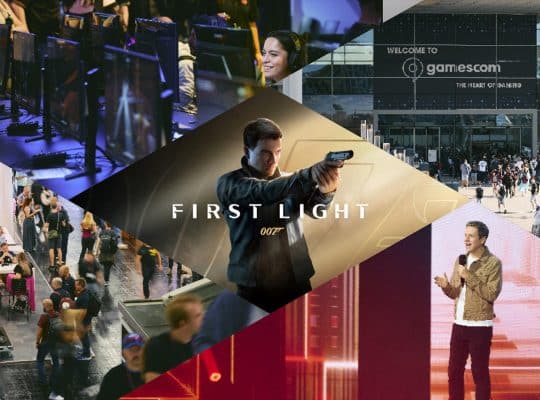
IO Interactive has released Episode 1 of its new behind-the-scenes series Beyond The Light, offering a deeper look into the gameplay foundations of 007: First Light. The 16-minute episode outlines key design pillars: Creative Approach, Combat, Gadgets, and Vehicles.
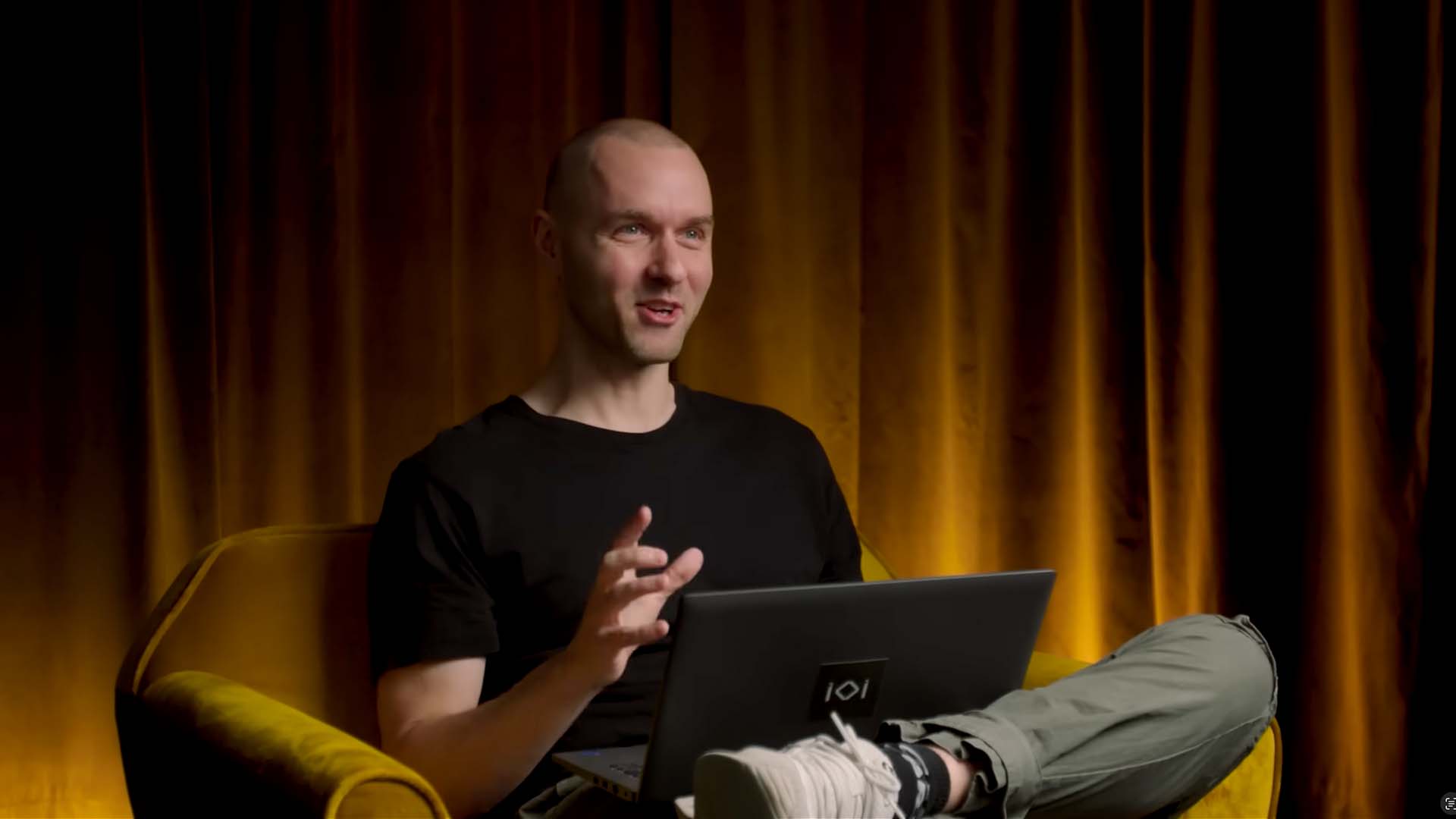
Each section opens with a short recap of clips from the September gameplay reveal, paired with selected reactions from content creators. Members of the development team — including Gameplay Director Andreas Krogh and Senior Level Designer Thomas Pulluelo — then expand on the ideas behind what has already been shown.
There is no new gameplay footage in this episode, but the commentary provides useful context for understanding how IO Interactive wants players to experience Bond’s growth through the game’s mechanics.
Creative Approach – Designing for Multiple Solutions
Pulluelo explains that each mission initially started with a broad range of possible approaches, which were narrowed through testing and iteration. One design rule remained central:
“And the rule for every mission and every encounter — rather social or combat — is to make sure the player has at least three or more different ways to solve one option.” — Thomas Pulluelo
This idea fits the narrative framework of a young Bond who has not yet settled into a defined playstyle. The game allows different aspects of his developing skill set to surface depending on player choice — sometimes more controlled, sometimes more direct, sometimes more improvised.
By supporting several viable solutions, missions gain a flexibility that naturally improves replay value. Alternative routes can lead to different moments or slightly altered pacing, giving players more room to explore how their decisions shape each scenario without reducing missions to a single intended path.
Gadgets – Improvisation Embedded in Design
One focus of the episode is the way gadgets interact with the environment. Krogh explains how IO Interactive even discussed how many objects should respond to the laser of the Omega Seamaster, and what that means for player progression.
This reflects a familiar aspect of Bond in the films: he rarely uses a gadget exactly as Q intended. He pushes boundaries, tests limitations, and often finds improvised solutions when situations shift unexpectedly.
IO Interactive aims to evoke a similar mindset in players — the curiosity to attempt something unconventional, the uncertainty of whether it will work, and the satisfaction of adapting in the moment. This sense of experimentation adds tension and strategic depth to encounters without forcing a fixed pattern of play.
Stealth Can Still Be Assertive
Combat and stealth are presented as complementary rather than opposing systems. Players can incapacitate enemies with targeted non-lethal shots — for example to the feet — allowing Bond to regain control of a situation without escalating to lethal force.
These mechanics also create room for specific playstyle goals. Non-lethal takedowns can be essential for players attempting challenges such as completing a mission without killing anyone.
My Impressions
One aspect I appreciated in this episode is that the developers themselves present the material. Hearing directly from the people who shape the systems feels more grounded than having an external host and gives the diary an authentic tone. The decision to focus not only on what the gameplay can do but also on the thinking behind the mechanics adds clarity that pure feature showcases often lack.
What resonated with me most is the emphasis on enabling player-driven strategies. In other action-stealth titles — Assassin’s Creed is a common example — I often devised elaborate plans only to discover that the game quietly funneled me back toward a narrower set of workable solutions. 007: First Light appears more committed to ensuring that carefully planned approaches have room to succeed, which makes the underlying design philosophy feel more flexible and intentional.
If there is an area that could be adjusted, it may be the pacing of the creator-reaction segments. Tightening them slightly could leave more space for concrete examples — for instance, which objects can interact with the Seamaster’s laser and how such interactions influence a scenario. Even small new snippets, not entirely new levels or story beats but alternative angles of familiar environments, would help illustrate the concepts more directly. More broadly, IO Interactive still has potential to build momentum through media: even a few fresh still images tend to energise the community quickly.
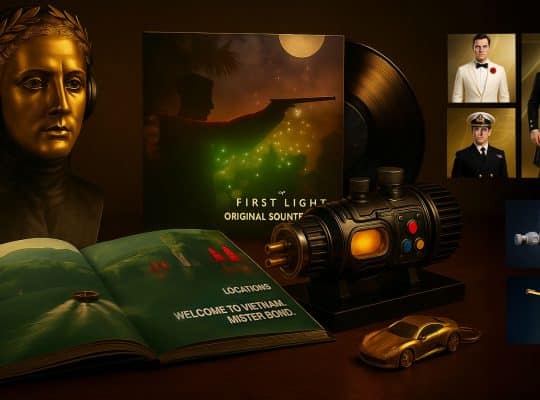
Overall, the episode sets a clear foundation, and I’m looking forward to the next instalment — perhaps it will touch on locations, characters, or even the sound design.